Walk onto a dealer lot with a clean, tight-looking car and you will see the manager’s posture change. They know what a tidy car does on the line, and they also know how much less work it needs before it can be retailed. That gap, between what your vehicle looks like now and what it must look like on their front row, is where detailing earns you real money. Not theoretical money, not wishful thinking, but a higher appraisal, a smoother negotiation, and fewer deductions justified with a flashlight and a frown.
A strong detail does not hide defects. It makes the good parts undeniable and the issues harder to exaggerate. It also communicates something crucial that people in this business read quickly: care history. Paint with consistent gloss, tight seams, clean jambs, and an interior that smells neutral tells a story of regular attention. Even when a service history printout is on the desk, a buyer still reacts to what the car presents in person.
What dealers really assess during trade-in
Appraisers work fast. You might think they only glance over the car, but experienced eyes collect dozens of cues in minutes. Condition categories in their head break down into exterior paint and panels, glass, wheels and tires, underhood, interior materials and controls, odor, and the feel of the test drive. Each area either adds confidence or signals hassle. Hassle means reconditioning hours, supplies, and scheduling, which turn into line items against your offer.
Gloss is a big one. Even when the paint is not perfect, uniform gloss reduces their need for aggressive recon. Light swirls do not always hurt value on their own, but heavy holograms or dull patches do. Oxidized headlights get flagged every time because they affect safety and visual age. Curbed wheels are another deduction. Inside, the nose knows first. Smoke, mildew, or strong perfume prompts the same response: more work and uncertainty. Stains on lighter seats, greasy steering wheels, and dirty screens add up.
I have watched a used car manager go from hesitant to comfortable simply after seeing a clean engine bay with intact plastics and no greasy residue. They still scan for leaks. They just do not have to plan for a half hour of degreasing and dressing before photos.
Where detailing returns the most money
Not all detailing is equal in resale value. A well executed exterior detailing paired with focused interior detailing can shift a trade-in appraisal by hundreds, sometimes more. For mainstream vehicles, the realistic window for improvement I have observed is often 300 to 1,000 dollars, occasionally beyond that when the car started in rough cosmetic shape but mechanically sound. On higher-end models, presentation may swing offers by a few thousand, especially when the market for that model favors retail-ready units.
The point is not to overspend. You want the outcome that will look obviously better to an appraiser but does not require boutique-level perfection. Correct the paint where it counts. Neutralize odors. Make touchpoints feel new. Present consistent care. Many private sellers think they must spring for every upgrade like ceramic coating or paint protection film just before selling. Those are excellent for ownership retention and risk reduction. They are optional tools at resale and only pencil out when timed strategically.
The exterior improvement that moves the needle
Start with the wash, but do it in a way that avoids inflicting more defects. Strip heavy road film with a quality pre-wash, then a proper contact wash with clean mitts and two buckets or a pressure rinse and rinse-less technique when water usage is restricted. Decontamination matters. Clay or synthetic towels lift embedded contaminants that flatten gloss and make paint polishing more effective. If your paint already feels smooth like glass, you can skip aggressive claying and choose a mild decon to avoid marring.
Paint correction is where the visual leap happens. Full correction chases everything. For resale, a balanced one-step polish is ideal for most cars. A good car polishing pass with a modern finishing compound on a dual-action polisher will remove the bulk of wash swirls and haze in a day, often less, and produce a deep, liquid look that photographs beautifully. Black, dark blue, and red paint benefit most because they broadcast defects. Silver and white still jump in clarity but demand slightly less labor to look crisp. If isolated scratches remain, spot-correct the worst offenders. Do not spend hours on a door ding you are not repairing.
Trim and plastic rejuvenation count more than owners assume. Greyed wiper cowl plastics and dry mirror caps sell visual age. A non-greasy, UV stable dressing applied after a proper clean brings back a newer look. Headlight restoration wins fast value. If lenses have yellowed or hazed, a multi-stage sand and polish followed by a UV sealant can make an eight-year-old front end read like five.
Wheels and tires frame the car. Clean barrels and faces, then remove old browning from tires so a fresh, satin dressing can live on clean rubber. Glossy, greasy tires telegraph a quick flip. Satin looks like OEM. Brake dust caked in lug recesses looks like neglect. Pop off plastic caps and clean around lugs if you can. Finish the exterior with glass that glints, including the edges and the top of the windshield where wipers don’t reach. A test for yourself: stand 20 feet away and scan left to right. If your eyes stop on a defect, fix that area first.
An engine bay does not need to gleam. It needs to be sanitary. Blow debris out of cowl areas. Cover sensitive intakes or electronics with towels when misting. Use a mild cleaner on plastics and rinse carefully or wipe with damp towels in tighter bays. When dry, a light, low-sheen dressing or dedicated plastic conditioner makes the bay look cared for without looking slick. Dealers know when an engine has just been bathed in silicone. Keep it restrained.
Interior detailing that quietly clinches the deal
Open a door on a hot day and smell decides the first sentence of the appraisal conversation. Target true odor source removal instead of perfume. If there is a spill under a seat, remove the seat and extract the carpet thoroughly. If water leaks have left mildew, dry the area fully and treat with an enzymatic cleaner. Smoke is the hardest, and sometimes a realistic goal is reduction rather than elimination. Either way, do not layer heavy fragrance as a cover. Many managers will dock more for trying to disguise than for admitting a light residual odor.
Vacuum thoughtfully. Pet hair can double your reconditioning deduction if it covers the cargo area and seat backs because it binds in fibers and takes time. A rubber brush paired with a vacuum nozzle breaks static cling and shortens the job. On seats, match your method to material. Modern leather is often coated and responds well to mild cleaners agitated with a soft brush, then gently wiped and protected with a matte conditioner. Cloth seats with water rings need a wider extraction pass so you do not create new tide marks. Alcantara or microsuede needs light hands, low moisture, and a proper lint brush.
Shiny steering wheels and shift knobs betray long hours of hand oils. Degrease lightly, then condition to a matte finish. Touchscreens want fingerprints gone but not with ammonia glass cleaner. Use a safe interior screen product or a microfiber with isopropyl diluted appropriately. Door jambs get overlooked often. Clean them until your towel stays clean on the second pass. Appraisers open doors multiple times and their fingers feel that grime.
Trunk and cargo spaces tell the truth about lifestyle. Clear personal items, vacuum well, and wipe the plastic trim. If you have a cargo liner, clean under it too. A spotless cargo area paired with a freshly vacuumed spare tire well subtly tells the buyer this car was not abused.
A simple, high-yield pre-trade checklist
- One-step paint polishing on the horizontal panels and driver’s side Headlight restoration and trim rejuvenation Deep vacuum with pet hair removal and a neutral odor treatment Seat and steering wheel cleaning to matte, non-greasy finish Clean engine bay with low-sheen plastics and spotless door jambs
This list covers the areas with the best cost-to-appraisal impact for most mainstream vehicles. If time and budget allow, extend the polish to all panels and do a full decon first.
Ceramic coating and paint protection film: invest now or pass?
Ceramic coating and paint protection film are excellent ownership tools. They deliver easier maintenance, stronger gloss retention, and, with film, actual impact resistance on high strike zones. The value equation for resale depends on timing.
If you plan to sell in the next one to three months, a fresh ceramic coating on a car you will not keep is typically not the best spend unless you can perform the prep and application yourself to a high standard. A quality coating is only as good as your paint correction underneath. You would be paying for both, then handing the benefits to someone else. An exception is a premium, late-model vehicle where the buyer expects a certain level of presentation and the coating can be marketed truthfully in a private sale with documentation.
Paint protection film is similar. Installing new film purely to trade in rarely returns its cost. Dealers do not credit full value for film unless they perceive it as new and expertly installed. But existing film in good shape is a plus, especially on front bumpers and hoods. If your current film is yellowed or lifting, it can hurt presentation. In that case, removal before appraisal may actually help, provided the paint under it is healthy.
A middle path that often works: apply a high-quality, durable sealant or a light spray ceramic to boost gloss and slickness after your paint polishing. It gives similar first-impression pop at a fraction of the investment and satisfies the appraiser’s need to see a ready-to-retail surface.
Xtreme Xcellence Detailing: how a professional balances ROI before a sale
Trade-in prep is not the time for a concours mindset. It is the time for professional judgment about what a specific car, in its market, needs to present like-new without overshooting spend. At Xtreme Xcellence Detailing, the team treats resale projects like triage with standards. The first pass is always an honest assessment in proper light, listing what an appraiser will likely flag. Then they rank corrections by the value they add per hour.
For example, on a five-year-old black midsize SUV with 65,000 miles, they might recommend a decon wash, a one-step paint correction focused on hood, roof, and driver’s side where sun has etched most, a headlight refinish, trim restoration, and a neutral interior refresh with extraction on the driver’s seat and mats. They skip chasing RIDS, the random deep scratches that will not disappear in a single pass, and avoid heavy dressing on interiors. That approach typically transforms the SUV into a car that photographs well and smells new-car neutral, which are the two things that move the appraisal conversation forward.
On a newer luxury sedan with light swirls and perfect service history, they will recommend a fuller polish to chase clarity, because that buyer segment is more sensitive to micro-marring. They might apply a mid-term ceramic topper, document it, and leave a checklist of the work completed for the owner to hand to the appraiser. Documentation quiets second-guessing.
Interior pitfalls that tank offers
Most deductions come from preventable items. I have seen smoke-smell cars docked by a thousand dollars in markets where retail buyers resist tobacco smell. Ozone machines can help neutralize odor molecules after thorough source cleaning, but ozone without cleaning is a coin flip. Over-wet carpets without adequate drying breed mildew which triggers sensors in the nose minutes after the appraiser opens the door.
Harsh cleaners on soft-touch dashboards leave shiny, streaky patches that scream quick flip. Silicone shines on leather count as a red flag, not a plus. Appraisers know how long it takes to reverse that greasy look. This is why using the right pH-balanced interior cleaner and a matte protectant matters more than blasting interior plastics with gloss. Keep it factory.
Missing floor mats or dirty ones are a small but common deduction. If you have rubber mats, scrub and dress them to a dry finish. If your carpet mats are beyond saving, sometimes a clean set from a recycler pays for itself in the appraisal. The goal is a cabin that reads complete and cared for at a glance.
Appraiser psychology and the edge of first impressions
People talk about book value and auction comps, but those are guardrails. The number you get in the store on a Tuesday afternoon also reflects how that appraiser feels about putting your car on their lot. I once watched two nearly identical compact cars, same year and miles, receive different trade figures within 20 minutes. The higher offer went to the car with cleaner jambs, a reconditioned headlight, and a steering wheel that felt new. The other had decent paint but a sticky console and pet hair in crevices. The delta was 700 dollars. Same book, similar mechanicals, different reaction.
Small touches cue pride of ownership. Tire valve caps present, lug recesses clean, seatbelt buckles wiped, and trunk hinges free of grease streaks all suggest that the car’s owner paid attention beyond casual washes. Appraisers notice patterns faster than most owners realize. That is why attention to detail, not just time spent, wins.
Xtreme Xcellence Detailing case notes: two cars, two strategies
Not every vehicle receives the same treatment. Xtreme Xcellence Detailing keeps records on what moves market-ready units. Two examples illustrate the point.
A ten-year-old silver crossover arrived with oxidized headlights, baked-on film at the rear bumper, and an interior that smelled like last season’s gym bag. The paint, being silver, showed fewer scratches than a darker color would, so the team skipped an aggressive multi-step polish. They focused on a decon, a single refining pass to punch up clarity, a thorough headlight refinish, and a deep interior extraction with enzymatic treatment under the rear seats where a spill had gone unnoticed. The steering wheel and shifter were returned to matte. They left the engine bay clean but not glossy and dressed exterior plastics to an OEM sheen. The owner reported a 600 dollar improvement over the initial sight-unseen quote, which tracked with what we tend to see on metal-flake silvers that present clean.
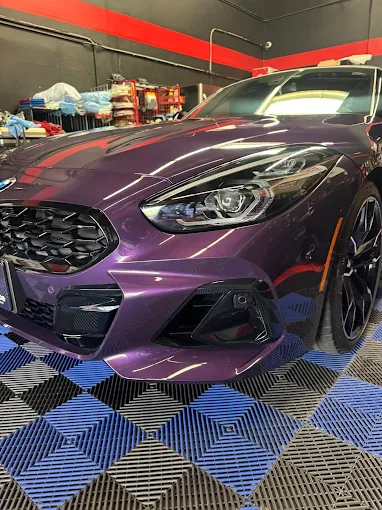
A three-year-old red sport coupe told a different story. Gorgeous color, heavy swirls from automatic washes, and curb-rash on two wheels. Here the paint mattered more. The team executed paint correction across the hood, roof, and both doors with a finishing system that is kind to soft reds, then spot-corrected deeper marks. They arranged wheel repair for the two rash spots because this buyer demographic notices wheels. Interior needed only a light refresh and odor neutralization. That car gained a stronger bump, partly because the color woke up under lights and the wheels no longer read abused.
When to consider exterior add-ons just before sale
Beyond coatings and film, a few exterior touches can help, with caveats. Paintless dent repair on small dings almost always returns its cost on the trade figure if the panel count is low. Replacing sun-faded badges or a cracked third brake light lens can be worth it on models where these are cheap and easy to swap. On the other hand, poorly matched touch-up paint on chips does more harm than leaving clean, honest stone nicks that match the odometer.
If you are trading a truck or considering rv detailing for a camper sale, the same principles apply. Clean seams, deoxidized gelcoat, tidy storage bays, and neutral interiors set value anchors in the appraiser’s head. For RVs, sealing black streaks and brightening the roof edge can make a huge visual leap. But full ceramic coating on a Class C just before selling will not return its cost unless the buyer is paying a premium for that specific protection and you can document it credibly.
The one-week timeline that works
- Seven days out: Deep wash, decon, and assess paint and interior needs in good light Five days out: Perform one-step paint correction and headlight restoration Three days out: Interior extraction, odor neutralization, and engine bay wipe-down Two days out: Trim dressing, glass polish, and wheel detail, then apply a durable sealant Day of appraisal: Quick dust-off, fingerprints removed, tires set to satin, bring records
Spacing tasks allows proper drying, daylight checks, and a stress-free final morning. Rushing leads to wet carpets, missed smudges, and streaky glass.
Xtreme Xcellence Detailing guidance on realistic budgets
Owners often ask where to cap spend. The answer rests on vehicle class, age, and market. For a mainstream sedan between four and eight years old, a smart budget for pre-trade auto detailing typically falls into a modest range that covers wash, decon, a one-step polish on high-visibility panels, headlight refinish, and a focused interior service. For higher-end vehicles, it makes sense to stretch to a complete one-step around the full body, wheel touch-up, and a documented protection topper. Xtreme Xcellence Detailing builds quotes with tiers so owners can see the incremental value. They will also tell you when not to invest. If the clear coat is failing on multiple panels or the interior plastics are deeply scarred, spending heavily on correction is unlikely to move the number enough.
Their techs also flag edge cases. Soft paint on certain models stacks haze quickly if rushed, so the team slows pad rotation and steps down abrasives to avoid micro-marring. Some older headlight housings craze internally, so sanding the outer shell will not clear cataracts inside. They save the owner that spend and temper expectations. This is the level of judgment that prevents wasted time and channels money into the right fixes.
Detailing myths that hurt sellers
There are a few persistent myths around resale prep. The first is that shiny equals slippery equals suspicious. In reality, dealers do not penalize a glossy car. They penalize a car that tries to hide something. Heavy fragrance, overspray on rubber, greasy tires, and silicone-glossed dash panels are red flags. A properly polished, sealed finish with matte interiors reads as professional, not shifty.
Another myth says leave the car dirty so the buyer can see it as is. That idea only works if the buyer is your mechanic friend who loves a project. Retail environments reward eye appeal. Clean cars photograph and sell faster, which is exactly why your appraisal improves when the reconditioning list shrinks.
Finally, some believe touch-up paint on every chip is necessary. Strategic touch-up on a large, obvious chip in the driver’s line of sight can help. Dabbing 50 tiny dots of slightly off-color paint across a hood makes a mess.
A word on documentation and small, honest storytelling
If you had ceramic coating applied within the last year and maintained properly, bring the paperwork. If you installed paint protection film on the bumper when the car was new and it still looks good, mention it. Do not oversell. Note what was done and when. If you used a reputable shop, the appraiser may know the name. When a vehicle lands in appraisal with receipts from recognized brands or shops, it reduces uncertainty and sometimes curtails a deduction or two.
Keep a light hand with the narrative. “I had a one-step polish and headlight restoration last week, and the interior was professionally cleaned. Here are the invoices and the maintenance log.” That is more effective than an enthusiastic monologue about ceramic crystals.
Why first-touch surfaces and photos matter more than perfection
When a dealership buys your car, their next steps are photography and online listings. They want a vehicle that needs minimal prep to look credible on screen. First-touch surfaces are the parts the next buyer touches in the first two minutes: door handles and jambs, steering wheel and shifter, front seats and floor mats, infotainment screen, and the top of the dashboard where dust sits. If these look and feel new, the car wins the first round. The exterior needs depth and even gloss under diffused light, headlights clear, and wheels clean inside the barrels. These are the photos that get clicks.
A full-blown paint correction to 95 percent perfection might make your heart sing, but on a three-year-old commuter it will not move the appraisal like those first-touch wins will. That is the difference between detailing for ownership pride and detailing for resale value.
Bringing it all together the practical way
You do not need to chase every swirl or replace every trim piece. You do need to present a car that looks and feels carefully maintained, with the heavy lifting already done so the dealer’s reconditioning manager does not build a long list. Aim for clean, clear, and complete. Use car polishing wisely for clarity and pop. Keep interiors matte and neutral, steering wheels and screens de-greased, carpets extracted and dry. Consider ceramic coating or paint protection film as long-term tools, not last-minute bandages, unless you have a strategic reason and documentation.
If you choose to hire help, look for a team that talks like appraisers think. Shops like Xtreme Xcellence Detailing that handle both ownership protection and resale prep tend to choose corrections that make sense for your model, color, and market. They will tell you where the next hour adds visible value, and where it is only feeding perfectionism. That judgment, backed by auto detailing hands that know how to coax gloss without residue or trails, is what maximizes your trade-in value in the real world.
Xtreme Xcellence Detailing
23561 Ridge Rte Dr # O, Laguna Hills, CA 92653
(714) 472-3001
FAQs About Car Detailing & Paint Protection
How often should you service your car?
Regular car servicing is typically recommended every 5,000 to 7,500 miles or every 6 months, depending on your vehicle and driving conditions. In areas like Laguna Hills, CA, frequent driving and sun exposure make routine maintenance especially important.
What is the difference between waxing and ceramic coating?
Waxing provides a temporary layer of protection that lasts a few weeks to a couple of months, while ceramic coating offers long-lasting protection for several years. Ceramic coatings bond with your vehicle’s paint, delivering superior durability, gloss, and resistance to contaminants.
Is paint protection film worth it?
Yes, paint protection film (PPF) is a great investment for preserving your vehicle’s exterior. It provides a durable, transparent layer that protects against rock chips, scratches, and road debris, helping maintain your car’s value and appearance.
How long does a full car detailing take?
A full car detailing service typically takes between 3 to 8 hours, depending on the vehicle’s size, condition, and the level of service required. More advanced services like paint correction or ceramic coating may require additional time.
How often should I get my car detailed?
For optimal results, it’s recommended to have your car detailed every 3 to 6 months. This helps protect your vehicle from environmental damage and keeps it looking its best year-round.
Does ceramic coating eliminate the need for washing?
No, ceramic coating does not eliminate the need for washing, but it makes cleaning much easier. Dirt and grime have a harder time sticking to the surface, allowing for quicker and more effective maintenance washes.